How to Learn English Through Your Hobbies
Love cooking, music, sport or games? Learn how to learn English through your hobbies with 7 fun ideas, useful tips and a simple hobby word bank.
11 November 2026 · 5 min read
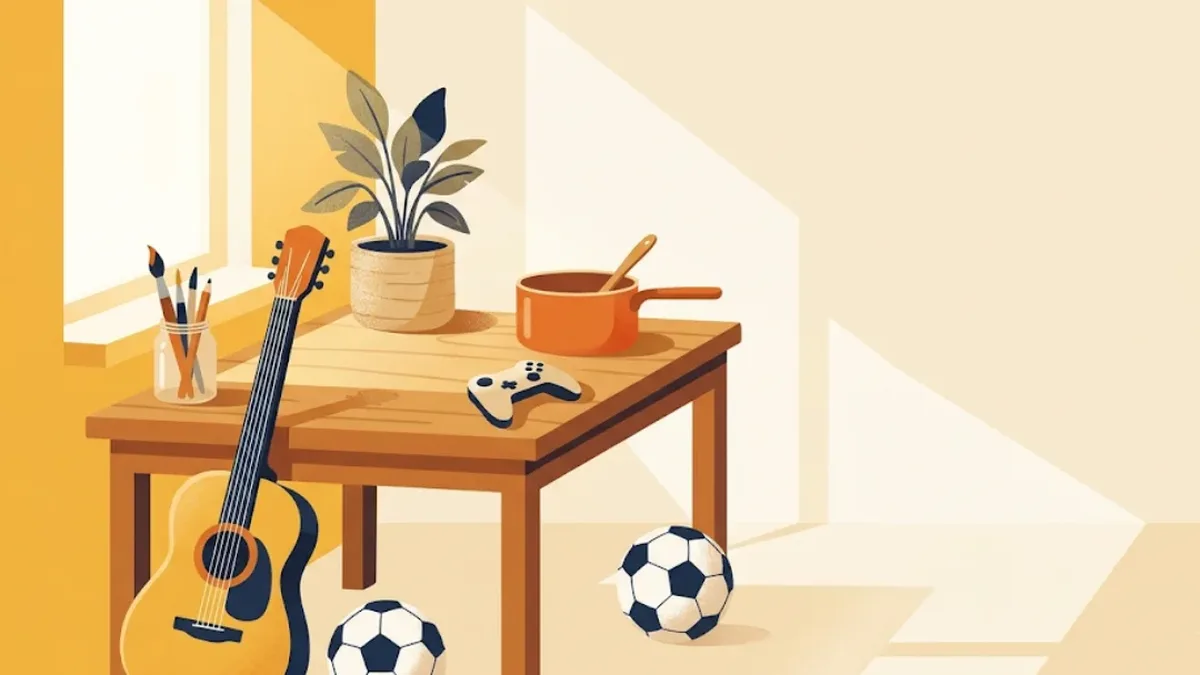
What do you love doing in your free time? Maybe you cook, play football, draw or listen to music for hours. Here is some good news: your hobby can be your best English teacher! In this post you will find out how to learn English through your hobbies, with seven simple ideas you can try this week.
You don’t need a textbook or a classroom. You just need something you already enjoy, and a little bit of English.
Why hobbies are a great way to learn English
When you study a topic you love, three good things happen.
- You stay curious. You want to know what the words mean, so you remember them better.
- You come back every day. Nobody needs to push you to do your hobby. English comes along for the ride.
- You learn real English. Hobby words are the words people really use when they chat, watch videos and share ideas.
This is the same reason stories work so well: your brain pays attention when it cares. (You can read more about this in our post on why learning English through stories works.)
“I learned the word whisk because I wanted to make pancakes, not because a teacher told me to!”
How to learn English through your hobbies: 7 bright ideas
Choose one or two ideas that match your interests. Start small and have fun.
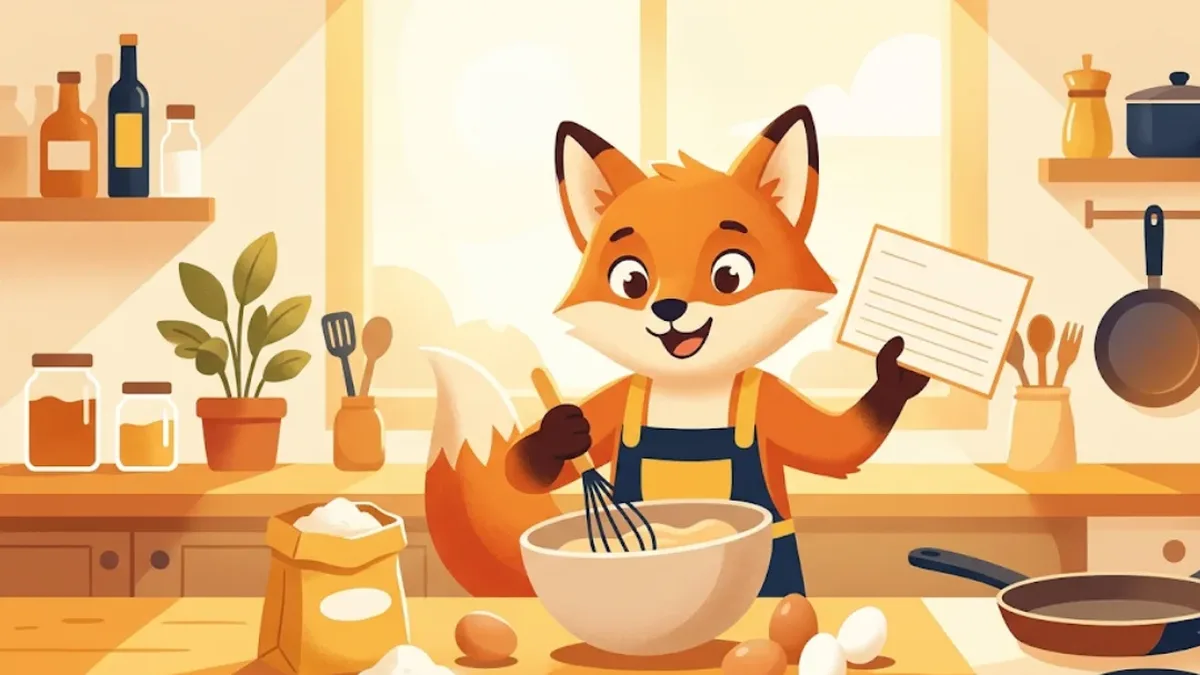
1. Cooking: follow recipes in English
Find an easy recipe in English, online or in a video. Cooking is full of useful verbs: chop, stir, mix, boil, bake, pour. Say each step out loud while you do it.
“First I chop the onions. Then I stir the soup for five minutes.”
2. Music: listen, read and sing along
Choose a slow song you like and find the words (the lyrics). Listen once just for fun. Then listen again and read the lyrics at the same time. Singing along is great pronunciation practice, and nobody needs to hear you!
Music can change a life. Watch our free lesson about Louis Armstrong, the poor New Orleans boy who learned to play the cornet in a home for boys and became a jazz star.
3. Sport: watch matches and talk about them
Watch a game with English commentary. Commentators speak fast, but they repeat the same words again and again: score, pass, miss, win, draw, foul. Afterwards, tell a friend (or your mirror!) what happened in three sentences.
4. Games: switch the language to English
Many video games and phone games let you change the language. Switch to English! Games give you clear instructions, like “Press the button to jump” or “Collect five keys”. Board games with friends work too: just play them in English.
5. Art and drawing: watch tutorials in English
Do you like drawing, painting or making things? There are thousands of free tutorials in English. Because you can see what the teacher is doing, you understand the words easily: sketch, shade, blend, fold, cut, glue.
6. Gardening and nature: learn the names around you
Learn the English names of the plants, birds and trees you see every day. Make a short list, and next time you go for a walk, name what you see: “Look, a robin on the oak tree!”
7. Photography and travel: describe your pictures
Take a photo every day and write one or two sentences about it in English. Where were you? What colours can you see? How did you feel? This is a lovely mix of vocabulary and writing practice.
Make a hobby word bank
A word bank is a small collection of useful words. Make one page in your notebook (or a list on your phone) just for your hobby.
- Collect 5 new words each week from your hobby.
- Write each word in a sentence about your own life.
- Review the list for two minutes before you start your hobby.
After a month you will have about 20 hobby words, and you will really use them. That’s how words stay in your memory.
Share your hobby with English speakers
The next step is to talk about your hobby in English. Join an online group, watch a live stream or leave a short comment under a video. You don’t need perfect English. People who share your hobby are usually friendly and happy to help.
“Your bread looks amazing! What flour did you use?”
One small comment like this is real English communication, and it feels great.
Start with a story you love
Your hobbies can make English part of your everyday life, not just homework. Pick one idea from this post, try it for one week, and see how much you enjoy it.
Looking for something to watch between your hobbies? Our free video lessons tell real, inspiring stories about musicians, artists, explorers and athletes in clear, simple English. Each one has a transcript, flashcards and a quiz. Choose a lesson at your level and let your next favourite hobby be learning English!