Jane Goodall: 8 Facts About the Woman Who Loved Chimpanzees
A toy chimpanzee, a henhouse and a life in the forest! Enjoy 8 true Jane Goodall facts in easy English, with useful new words for learners.
29 October 2026 · 5 min read
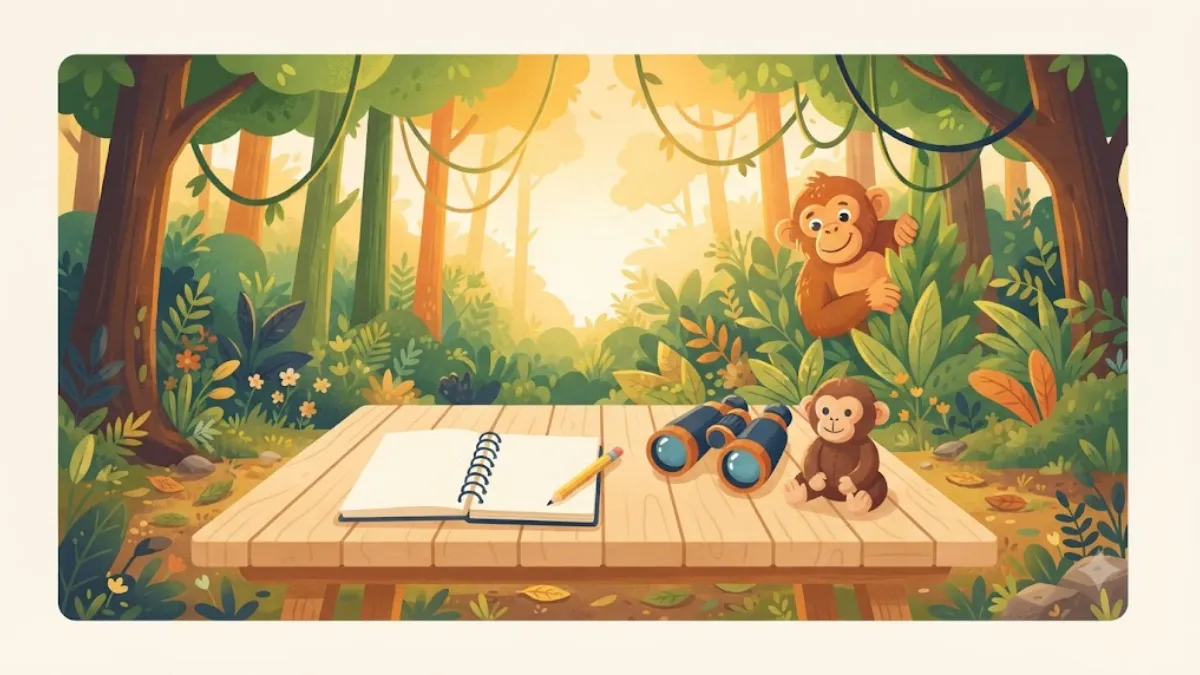
Jane Goodall spent her life with wild chimpanzees and changed the way we see animals. But did you know that her favourite childhood toy was a chimpanzee, or that she once hid in a henhouse for hours? In this post you will read 8 Jane Goodall facts, told in simple English. Each fact also has a useful word or phrase for you to learn.
8 true Jane Goodall facts
1. Her favourite toy was a chimpanzee
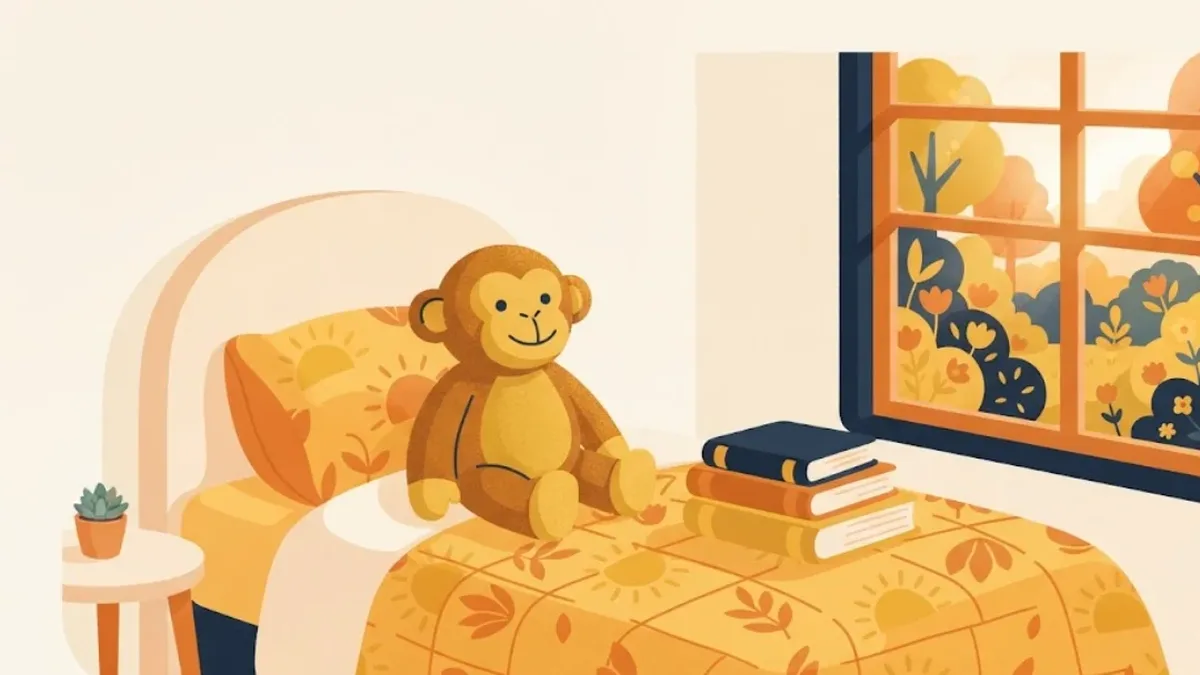
Jane Goodall was born in London in April 1934. When she was a baby, her father gave her a toy chimpanzee called Jubilee. Some adults thought it would give her bad dreams, but Jane loved it. She kept Jubilee for the rest of her life.
“She kept her favourite toy all her life.”
2. She hid in a henhouse to see an egg
When Jane was about five, she wanted to know where eggs come from. So she hid in a henhouse and waited quietly for hours until a hen laid an egg. This was her first “science experiment”, and it shows how curious she was. (Curious means you always want to know and learn new things.)
“She was so curious that she waited for hours.”
3. She worked as a waitress to pay for her dream
As a girl, Jane read books about Africa and dreamed of living with wild animals there. But her family didn’t have much money. So she worked as a waitress and saved her money for the boat ticket. In 1957, at the age of 23, she sailed to Kenya.
“She saved every penny for her ticket.”
4. A famous scientist gave her a big job
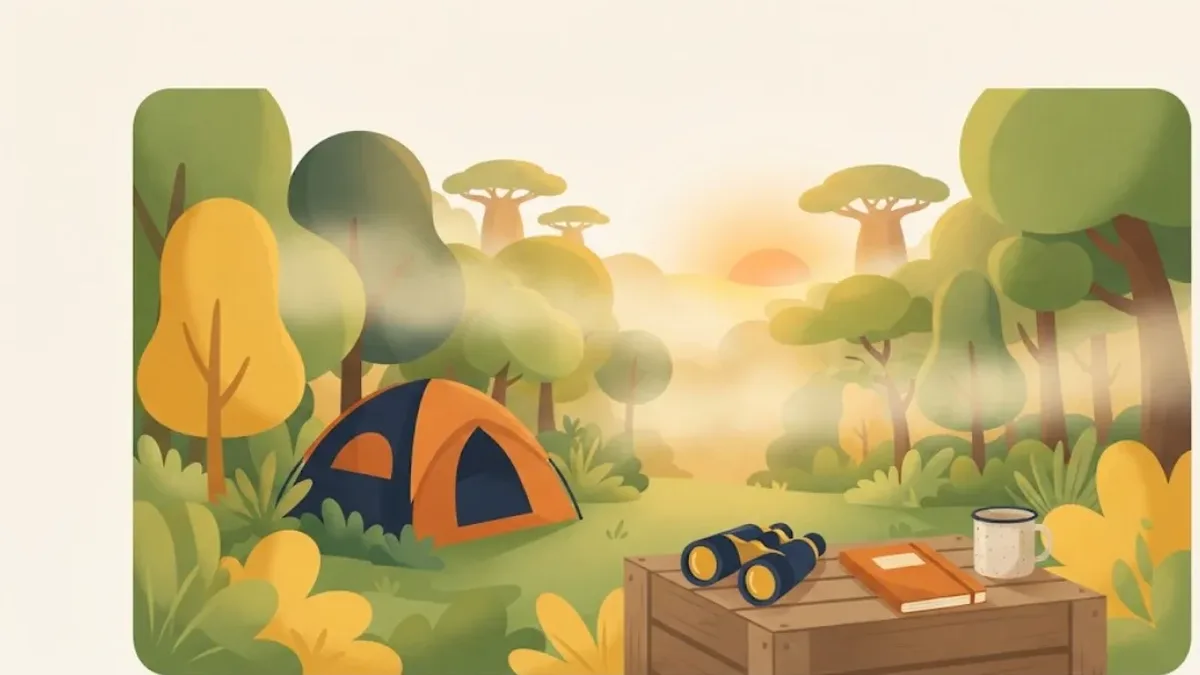
In Kenya, Jane met Louis Leakey, a famous scientist who studied human history. He gave her a special job: to watch wild chimpanzees in the forest. In July 1960 Jane arrived at Gombe, in Tanzania. Her mother came with her to keep her company.
“Her mother came with her to Africa.”
Hear this part of her story in our free A2 video lesson Jane Goodall: She Had No Degree… Then Changed What We Know About Chimpanzees.
5. The chimpanzees ran away from her
At first, the chimpanzees were afraid of Jane. Every time she came near, they ran away. Jane didn’t give up. Every morning she walked into the forest, sat quietly and watched. After many months, one chimpanzee with a grey beard started to trust her. She called him David Greybeard.
“She didn’t give up, even when it was hard.”
This is a great lesson for English learners too: patience (staying calm and waiting) always helps.
6. She saw a chimpanzee use a tool
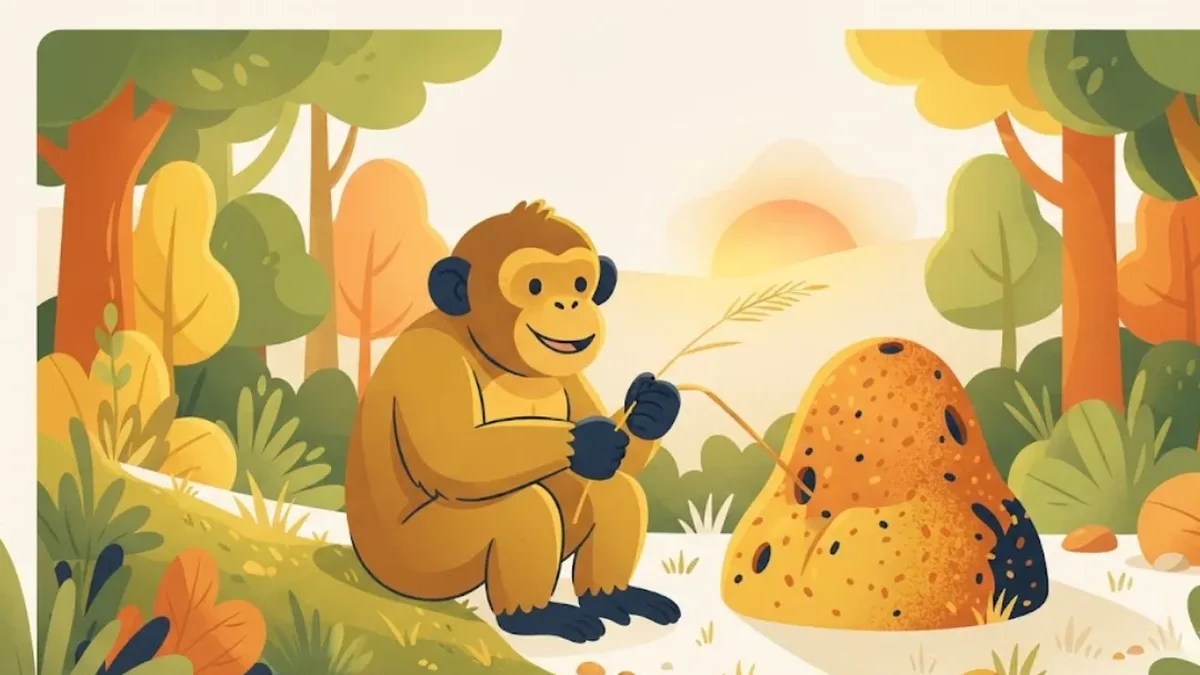
One day in late 1960, Jane saw David Greybeard at a termite hill. (Termites are small insects that live in big hills of earth.) He pushed a piece of grass into a hole, pulled it out covered in termites, and ate them. He also took the leaves off small sticks to make them better for the job. He was using and making tools! Before this, most scientists believed that only humans made tools. Jane’s discovery changed science.
“Her discovery surprised scientists all over the world.”
7. She gave chimpanzees names, not numbers
At that time, many scientists gave the animals they studied numbers. Jane gave the chimpanzees names, like Flo, Fifi and Goliath. She wrote that each one had its own personality (its own character), and its own feelings. Some scientists didn’t like this at first, but today many people agree with her.
“Every chimpanzee had its own personality.”
8. She went to Cambridge without a first degree
Jane never went to university as a young woman. But because of her amazing work, she was accepted at the University of Cambridge to study for a PhD (the highest university degree). She was one of very few people ever to do this without a first degree. She became Dr Jane Goodall.
“She got a PhD without a first degree.”
A life full of hope
Jane’s work didn’t stop in the forest. In 1977 she started the Jane Goodall Institute to protect chimpanzees and their homes. In 1991 she met a group of students in Tanzania, and together they started Roots & Shoots, a programme for young people who want to help animals, people and the planet. It is now in dozens of countries. Before the pandemic, Jane travelled up to 300 days a year to give talks. She was still on a speaking tour in the USA when she died on 1 October 2025, aged 91.
What can English learners learn from Jane Goodall?
These Jane Goodall facts teach us two big things: be patient and follow your dream. Jane waited months before the chimpanzees trusted her. Learning English is similar. You may not see big progress every day, but if you keep going, one day you will be surprised by how much you understand.
Quick vocabulary review
- curious: always wanting to know and learn new things
- save money: keep money so you can use it later
- give up: stop trying
- patience: staying calm and waiting for a long time
- discovery: something you find or learn for the first time
- personality: the character of a person or animal
Can you describe Jane Goodall with two of these words? Say your sentence out loud! For more useful words like these, read 30 English Adjectives to Describe a Person. And if you love science stories, try 10 Surprising Fun Facts About Famous Scientists.
Learn English with real stories
At Bright Lives English, you learn English through true stories of inspiring people like Jane Goodall. Every short video teaches you five useful words, with clear speaking and a full transcript. Choose your level and start today with our free video lessons. Which famous person would you like to meet next?